Aug 10, 2026
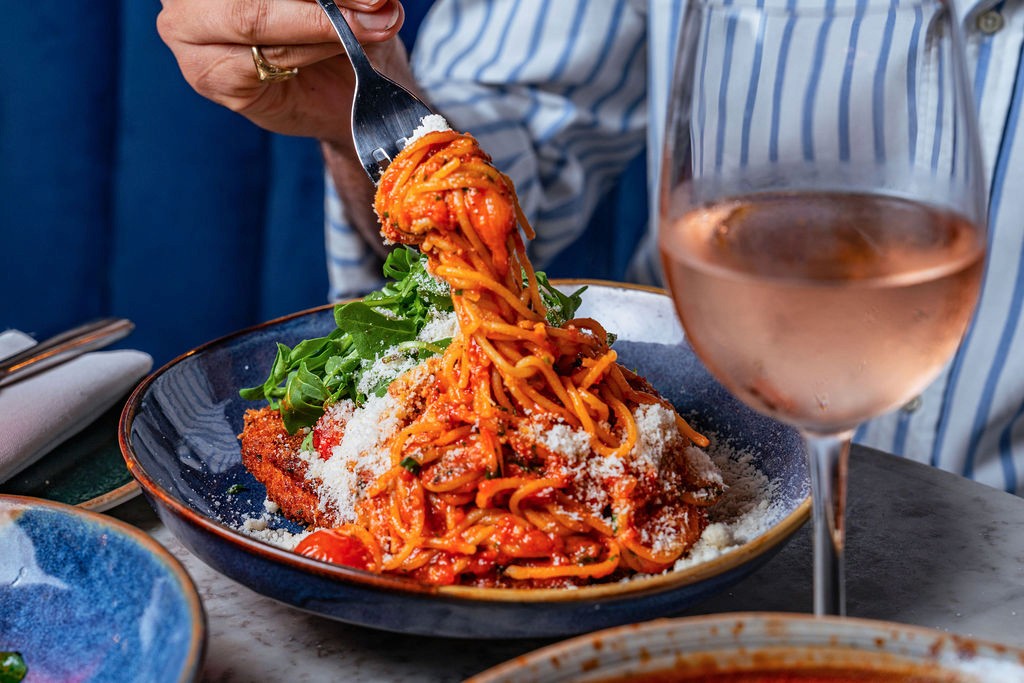
Pappardelle
Pappardelle are those broad, flat ribbons, wider than tagliatelle, and they hail from Tuscany. The name rather gives the game away: it comes from the Tuscan word pappare, to gobble up, which is pretty much the idea. All that width earns its keep, too. The big, slightly rough surface grabs hold of heavy, slow-cooked sauces that would slide straight off something thinner. The classic match is a rich meat ragu, traditionally wild boar in Tuscany, or a good slow-cooked beef and tomato one. Going veggie, a deep mushroom or porcini ragu does exactly the same thing and gives those ribbons plenty to cling to.
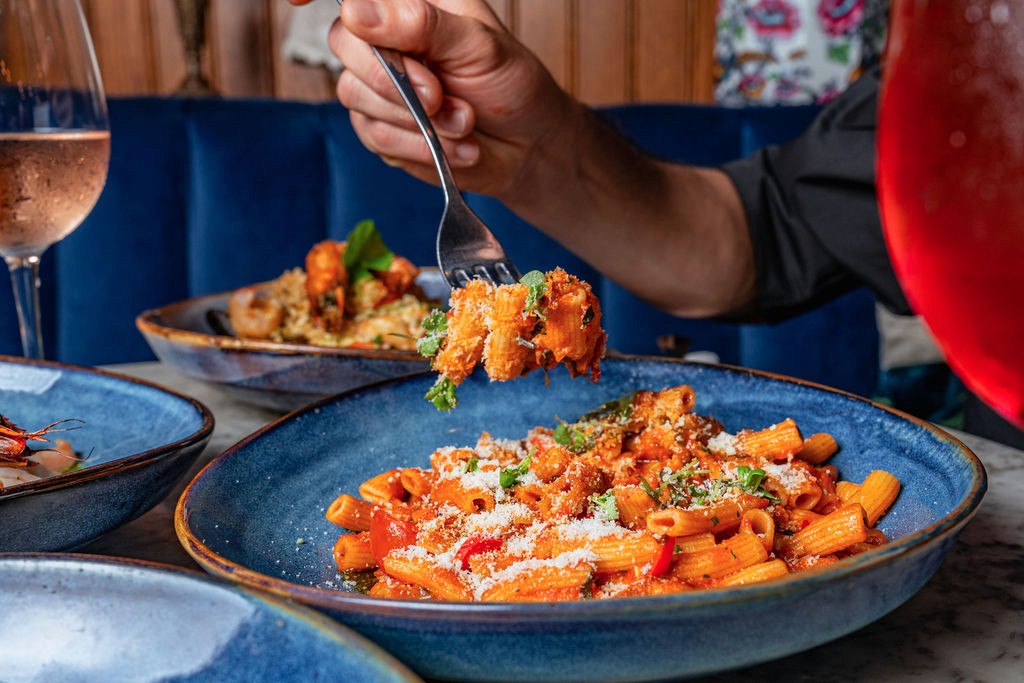
Penne
Penne are the little tubes with the diagonal cut at each end. The name is the Italian word for a quill, penna, because those slanted ends look just like the nib of an old pen. You will find them smooth or ridged (the ridged ones are penne rigate), and either way the hollow middle and the grooves are there to trap sauce and hang on to it. They love a sauce with a bit of texture. The famous one is penne arrabbiata, a veggie dish of tomato, garlic and fresh chilli whose name literally means angry, thanks to the kick of heat. Pesto is lovely on them as well, and if you want meat, a sausage or beef ragu tucks right into the tubes and stays put.
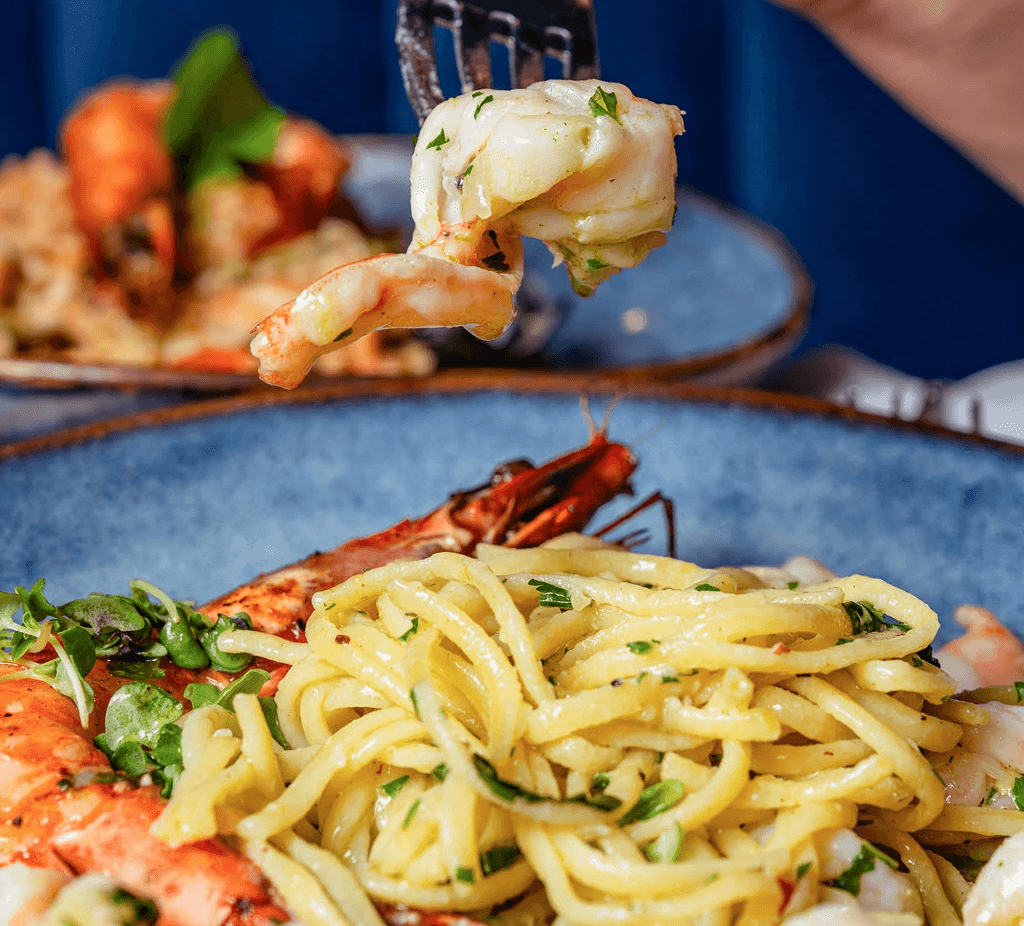
Spaghetti
Spaghetti is the one everyone pictures first, long, round and thin. The word is a diminutive of spago, Italian for string, so spaghetti basically means little strings, which is rather sweet when you think about it. Because the strands are so fine, they are happiest with light sauces that coat every strand evenly. Honestly, some of the best are the simplest, and meat-free at that: cacio e pepe, made with just pecorino and black pepper, or aglio e olio, which is only garlic and olive oil. If you want meat, there is carbonara, built on guanciale, egg and cheese and absolutely no cream, and for seafood, spaghetti alle vongole with clams, chilli and white wine. And one myth to put to bed while we are here: spaghetti and meatballs is an Italian-American invention, and you will hardly ever see it on a traditional Italian table.
Gnocchi
Gnocchi are the slight outsiders here, little pillowy dumplings usually made from potato and a bit of flour, though older recipes use semolina or ricotta. Dumplings like these go back a very long way, but the potato ones we know and love today only turned up once potatoes made it to Europe in the sixteenth century. The name probably comes from nocchio, a knot in wood, or nocca, meaning knuckle, both a nod to that knobbly shape. Soft and starchy as they are, they like a sauce that clings gently. The classic is burro e salvia, just butter and sage, though a gorgonzola cream or a simple tomato and basil are every bit as good, and all veggie. A meat ragu is grand too, if you fancy something heartier.
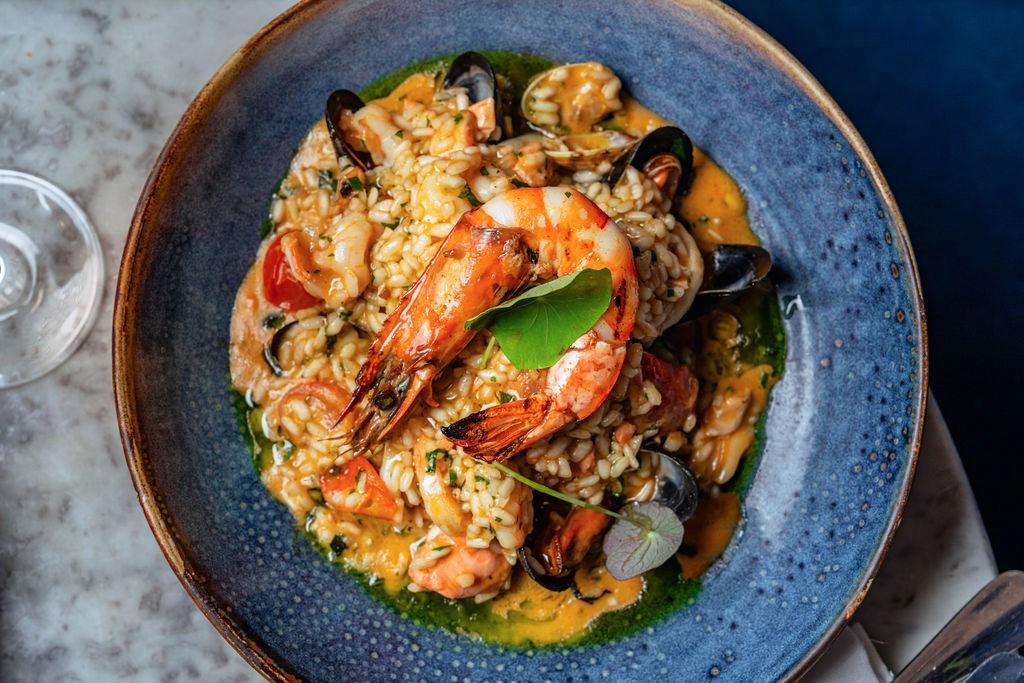
Risotto
Risotto is a rice dish through and through, but it shows up in the same spot on the menu as pasta, so here it is. It hails from northern Italy, from Lombardy and Piedmont, where they have been growing rice since the Middle Ages. The rice really does matter: plump short-grain types like Arborio, Carnaroli or Vialone Nano are packed with a starch called amylopectin. As you stir the rice slowly into hot stock, that starch comes out, and that is the secret to a lovely creamy risotto with, believe it or not, no cream at all. The flavours are almost endless. Risotto alla Milanese gets its glow and scent from saffron, while porcini mushroom, butternut squash and seafood are all favourites, and plenty of them happen to be veggie.
How to match the pasta to the sauce
If you remember one thing, make it this: match the weight of the sauce to the shape of the pasta. Long, thin strands like spaghetti want a light, silky sauce that coats every strand, think oil, cheese or a gentle tomato. Tubes and ridged shapes like penne are built for chunkier sauces that get caught in all the nooks. Broad ribbons like pappardelle are made for those rich, slow-cooked meat sauces. Gnocchi like a soft, gentle coating, and risotto keeps all its flavour in the rice itself. Veggies are spoilt for choice here, since cacio e pepe, arrabbiata, mushroom ragu and saffron risotto are all meat-free. And when you truly cannot decide, just match weight with weight and you will hardly ever go wrong.
Fresh pasta at 40 Dean Street
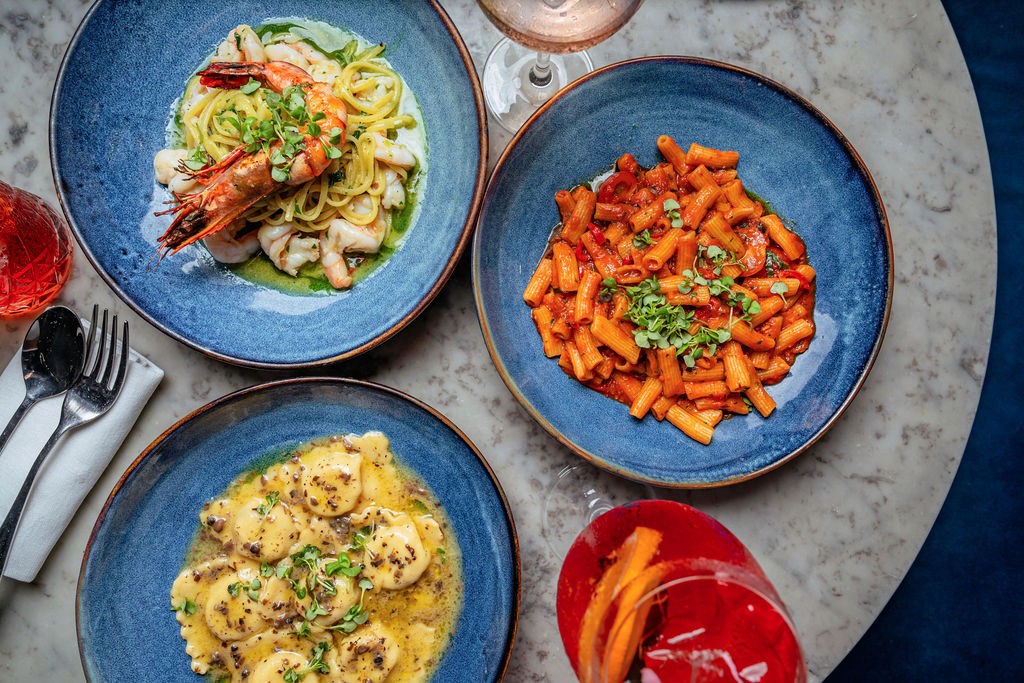
If all this pasta talk has made you hungry, come and see us. 40 Dean Street is a family-run Italian spot in the heart of Soho, and all our pasta is made fresh every day. Every shape in this guide is on the menu, including pappardelle with beef and tomato ragu, penne arrabbiata with fresh chillies, spaghetti vongole, gnocchi with wild mushrooms and truffle, and a porcini risotto with roasted butternut squash and walnuts. Book a table and come and try them, or have a nose at the full menu first.